
Introduction
Hair loss, thinning, and slow hair growth are common problems affecting people of all ages. Many individuals search for effective hair growth tips to maintain stronger, thicker, and healthier hair without relying solely on expensive treatments. While genetics and hormones play a role, lifestyle factors, diet, and proper hair care can significantly influence hair health.
Understanding how to prevent hair fall and improve hair growth is the first step toward long-lasting results. Simple daily habits, combined with targeted natural remedies, can reduce hair fall, strengthen follicles, and improve the overall texture and thickness of your hair. Many people also look for home remedies for hair loss or hair fall treatment at home because these are safe, cost-effective, and easy to follow.
Whether your goal is to address hair thinning, strengthen weak strands, or stop hair fall, following a consistent routine is essential. From proper scalp care and gentle cleansing to nutrient-rich diets and natural oils, a combination of approaches is usually the most effective. This guide will explore practical hair growth tips, including hair loss treatment at home, hair thinning treatment, and hair treatment for thin hair, so you can build a routine that promotes healthy, resilient, and fuller hair naturally.
Why Hair Fall and Thinning Happens
Hair fall and thinning are common issues that affect both men and women, and understanding their causes is crucial for effective treatment. Genetics play a major role in hair loss, especially in male and female pattern baldness, where follicles gradually shrink, leading to thinner strands. Hormonal changes, such as fluctuations in testosterone, DHT, or thyroid hormones, can also disrupt the hair growth cycle and accelerate shedding.
Lifestyle factors significantly contribute to hair problems as well. Poor diet lacking essential vitamins, minerals, and proteins can weaken hair roots, while stress increases cortisol levels, which can trigger excessive hair fall. Environmental factors, including pollution, sun exposure, and harsh chemicals from styling products, further damage hair and slow down growth.
Aging naturally leads to thinner hair because follicles shrink over time, producing finer strands that are more prone to breakage. Improper hair care habits, such as over-washing, excessive heat styling, and tight hairstyles, exacerbate thinning. For those seeking solutions, understanding these triggers helps in selecting the right hair thinning treatment or hair treatment for thin hair to restore strength and volume.
By addressing these causes with consistent care, a nutrient-rich diet, and targeted treatments—both at home and through specialized remedies—you can effectively reduce hair fall, strengthen weak strands, and promote a healthier, fuller head of hair.
Hair Growth Tips That Actually Work

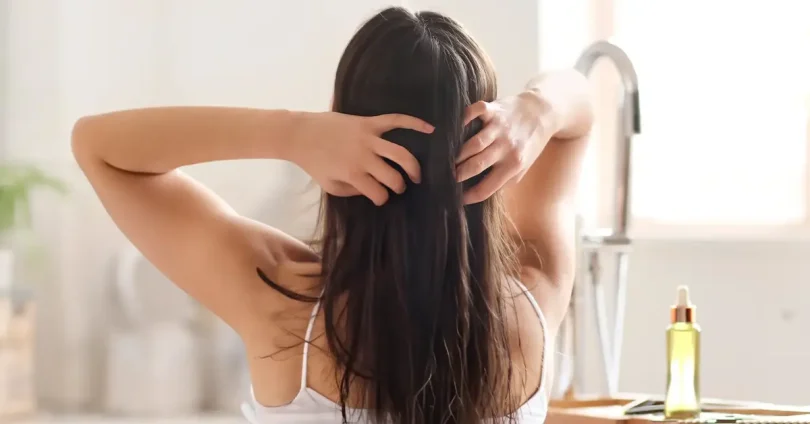
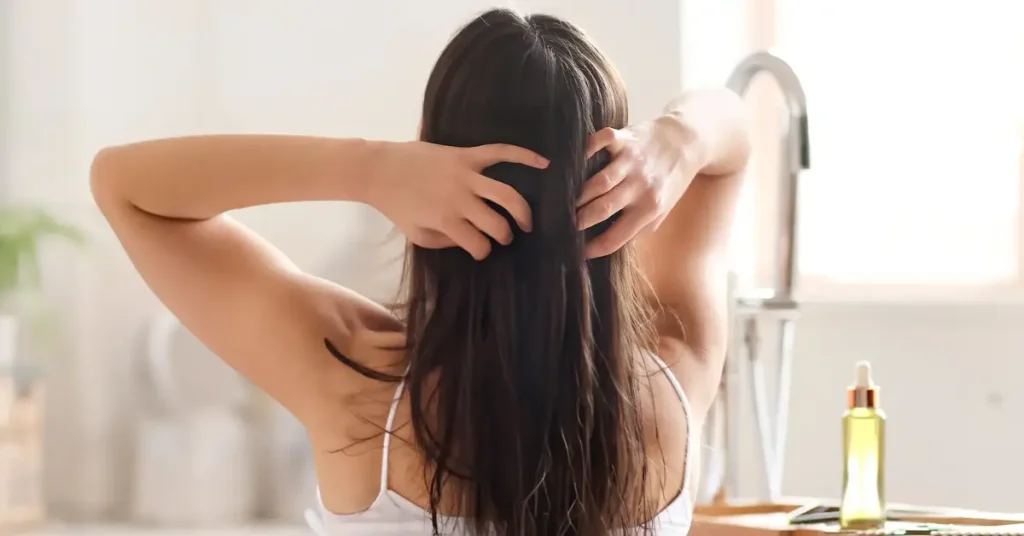
If you’re looking for reliable hair growth tips, the key is combining proper care, nutrition, and consistency. Healthy hair starts from the roots, so maintaining scalp health and strengthening follicles should be your first priority. One of the most effective tips is scalp massage. Using natural oils like coconut, castor, or almond oil, gently massage your scalp for 5–10 minutes, 2–3 times a week. This improves blood circulation, nourishes hair follicles, and promotes growth.
Nutrition also plays a vital role in hair health. Hair is primarily made of protein, so including protein-rich foods like eggs, fish, nuts, lentils, and dairy products in your diet is essential. Vitamins such as biotin, zinc, iron, and vitamin D strengthen hair strands and reduce breakage. Staying hydrated helps maintain scalp moisture, preventing dryness and brittle hair.
Avoiding damaging habits is another crucial tip. Excessive heat styling, chemical treatments, and tight hairstyles can weaken hair roots and slow down growth. Using gentle, sulfate-free shampoos and conditioners ensures your hair remains nourished without stripping away natural oils.
For those experiencing hair thinning or weak strands, targeted hair treatment for thin hair like weekly protein masks, aloe vera gel applications, or natural hair packs can help restore volume and thickness. Additionally, addressing stress through meditation or yoga can reduce hair fall caused by cortisol imbalances.
By consistently following these hair growth tips, incorporating natural remedies, and maintaining a balanced lifestyle, you can gradually achieve thicker, stronger, and healthier hair over time.
Hair Loss Treatment at Home
For many people, finding a safe and effective hair loss treatment at home is a top priority. Natural remedies are not only affordable but also gentle on the scalp, making them ideal for long-term use. One of the most popular methods is coconut oil massage, which nourishes hair follicles, strengthens roots, and improves blood circulation. Massaging the scalp for 5–10 minutes, 2–3 times a week, can reduce hair fall over time.
Onion juice is another highly effective home remedy. Rich in sulfur, it stimulates collagen production and strengthens hair roots. Apply fresh onion juice to the scalp, leave it on for 20–30 minutes, and wash with a mild shampoo. Consistent use can help reduce shedding and encourage new growth.
Aloe vera is excellent for calming the scalp and maintaining hydration. Applying fresh aloe vera gel to the scalp once or twice a week can prevent dryness, flakiness, and irritation, which are common contributors to hair loss.
Other remedies include fenugreek (methi) seeds, castor oil, and amla (Indian gooseberry). Fenugreek seeds are rich in proteins and nicotinic acid, which strengthen strands, while castor oil improves circulation and amla adds essential vitamins for follicle health.
For best results, combine these natural treatments with a balanced diet, gentle hair care, and avoiding harsh chemical products. With patience and consistency, these hair loss treatments at home can significantly reduce hair fall, strengthen your hair, and promote thicker, healthier strands naturally.
Hair Thinning Treatment
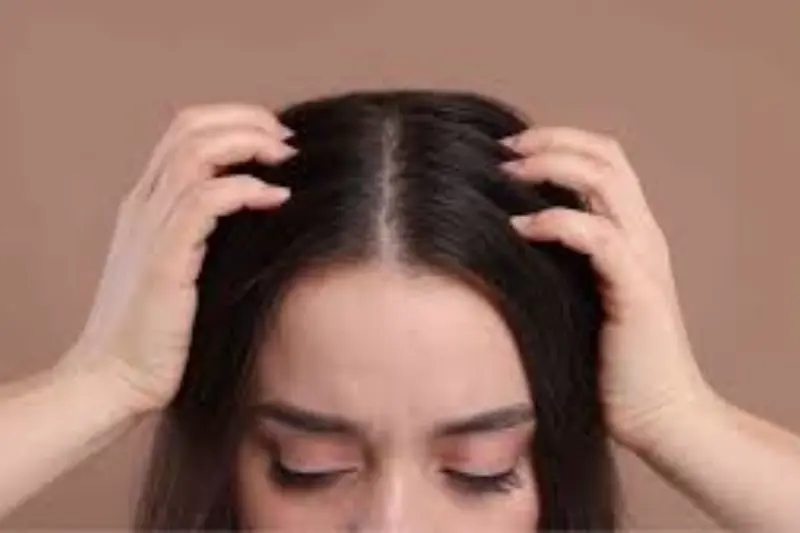
Dealing with thinning hair can be stressful, but effective hair thinning treatment can restore volume, strengthen strands, and improve overall hair health. The first step is understanding the cause—whether it’s genetics, hormonal changes, poor nutrition, or scalp issues. Once identified, targeted care and consistent routines can make a significant difference.
One of the most effective strategies is scalp nourishment. Regularly massaging the scalp with oils like coconut, castor, or almond oil increases blood circulation and strengthens follicles. Applying natural masks made from ingredients such as fenugreek, aloe vera, or egg protein can also boost thickness and reduce breakage.
Diet plays a critical role in hair thinning treatment. Consuming protein-rich foods, leafy greens, nuts, seeds, and fruits ensures your body gets the essential nutrients needed for stronger, thicker hair. Vitamins like biotin, zinc, and iron are particularly important for reducing hair loss and stimulating growth.
Reducing harmful habits is equally crucial. Avoid excessive heat styling, chemical treatments, and tight hairstyles that stress hair roots. Using gentle, sulfate-free shampoos and conditioners helps maintain healthy strands while preventing further thinning.
For those with persistent hair thinning, combining home remedies with professional guidance, like consulting a trichologist or dermatologist, can enhance results. By following a consistent routine of nourishment, protection, and care, hair thinning treatment can effectively restore fuller, healthier, and stronger hair over time.
Home Remedies for Hair Loss
For anyone looking to naturally improve hair health, home remedies for hair loss are an effective and safe approach. These remedies nourish hair follicles, strengthen strands, and reduce hair fall without harsh chemicals.
Coconut oil is one of the most widely used remedies. Rich in fatty acids, it penetrates the scalp to moisturize and strengthen hair from the roots. Massaging your scalp with warm coconut oil for 5–10 minutes, 2–3 times a week, can reduce breakage and promote healthier growth.
Onion juice is another powerful remedy. Its high sulfur content boosts collagen production, helping to strengthen hair follicles. Apply fresh onion juice to your scalp for 20–30 minutes, then rinse with a mild shampoo. Consistent use may improve hair thickness and reduce shedding.
Fenugreek (methi) seeds are packed with proteins and nicotinic acid, which strengthen hair and prevent thinning. Soak the seeds overnight, grind them into a paste, and apply it as a hair mask once or twice a week.
Aloe vera helps soothe the scalp, reduce dandruff, and maintain proper hydration. Apply fresh aloe gel to the scalp and hair for 30 minutes before washing for best results.
Other effective remedies include castor oil, amla (Indian gooseberry), and green tea rinses, all of which provide essential nutrients and antioxidants to support hair growth.
By consistently using these home remedies for hair loss, along with a balanced diet and gentle hair care routine, you can strengthen your hair, reduce hair fall, and promote thicker, healthier strands naturally over time.
Quick Daily Hair Care Routine
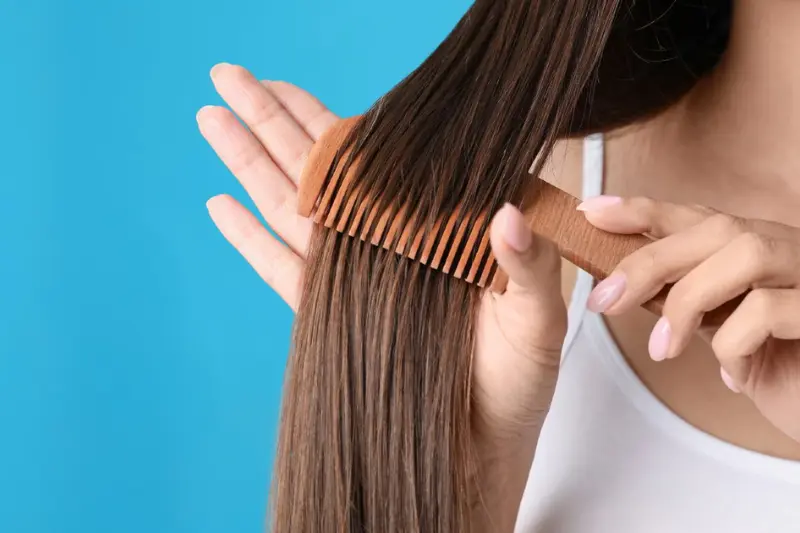
A consistent daily hair care routine is essential for maintaining healthy hair, preventing hair fall, and promoting growth. Even with a busy schedule, dedicating a few minutes each day to proper care can make a noticeable difference over time.
Start your morning routine by gently brushing your hair to remove tangles and stimulate the scalp. Use a mild, sulfate-free shampoo 2–3 times a week to cleanse your scalp without stripping natural oils. After washing, apply a lightweight conditioner to the lengths of your hair to keep strands soft and manageable. For added nourishment, consider a few drops of coconut or almond oil on the ends.
In the evening, incorporate a scalp massage into your routine. Massaging with natural oils like castor or coconut oil improves blood circulation, strengthens follicles, and supports faster hair growth. Even 5–10 minutes of massage before bed can have long-term benefits.
Weekly treatments, such as protein masks, aloe vera gels, or fenugreek pastes, help strengthen hair, reduce breakage, and maintain thickness. Avoid excessive heat styling, harsh chemical treatments, and tight hairstyles that can weaken hair roots and contribute to thinning.
By following this quick daily hair care routine consistently, combined with a balanced diet and natural remedies, you can improve hair growth, prevent hair fall, and maintain thicker, healthier, and more resilient hair over time.
Hair Treatment for Thin Hair
If your hair is fine or thinning, proper hair treatment for thin hair is essential to restore volume, strength, and overall health. Thin hair is often more prone to breakage, split ends, and damage from styling, so gentle care and targeted treatments are key.
One of the most effective methods is scalp nourishment. Massaging the scalp with oils such as castor, coconut, or almond oil for 5–10 minutes a few times a week improves blood flow, strengthens hair follicles, and encourages growth. For added support, natural masks made from ingredients like fenugreek, aloe vera, or egg protein can help thicken strands and reduce breakage.
Diet is another critical factor in treating thin hair. Consuming protein-rich foods, leafy greens, nuts, seeds, and fruits ensures your body has the nutrients required for strong, resilient hair. Vitamins like biotin, iron, zinc, and vitamin D are particularly important for maintaining hair density and preventing further thinning.
Reducing damaging habits is equally crucial. Avoid excessive heat styling, chemical treatments, and tight hairstyles that stress hair roots. Use mild, sulfate-free shampoos and conditioners designed for fine or thin hair to add volume without weighing strands down.
With consistent care, a nutrient-rich diet, and targeted hair treatment for thin hair, you can gradually improve thickness, strength, and overall appearance, making your hair look fuller, healthier, and more resilient over time.
Conclusion
Achieving healthy, thick, and strong hair requires consistent care and the right approach. Following effective hair growth tips—including natural remedies, proper scalp care, and nutrient-rich diets—can significantly reduce hair fall and strengthen follicles over time. Whether you’re using home remedies for hair loss, performing a hair fall treatment at home, or focusing on hair thinning treatment and hair treatment for thin hair, consistency is key to seeing results.
Incorporating a balanced daily routine, gentle hair care practices, and natural oils or masks ensures your hair remains healthy and resilient. For men and women dealing with hair loss, combining home treatments with professional guidance when needed can further enhance growth and thickness.
By avoiding common hair care mistakes, following a structured routine, and using targeted treatments, you can achieve noticeable improvements in hair density, strength, and overall health. These simple yet effective strategies make it possible to maintain fuller, healthier hair while promoting natural growth and minimizing damage.
FAQs
What is the best hair fall treatment at home?
The most effective hair fall treatment at home includes scalp massages with coconut or castor oil, natural masks using fenugreek or aloe vera, and a nutrient-rich diet.
How can I do hair loss treatment at home?
For hair loss treatment at home, use gentle cleansing routines, weekly oil massages, onion juice, aloe vera, and avoid excessive heat or harsh chemical treatments.
What is an effective hair thinning treatment?
An effective hair thinning treatment combines scalp massages, protein or natural hair masks, proper nutrition, and avoiding damaging hair habits to restore volume and strength.
How can I strengthen thin hair naturally?
To strengthen thin hair, use a hair treatment for thin hair like gentle oils, weekly protein masks, and a balanced diet with vitamins and minerals essential for hair health.
What home remedies work best for hair loss?
Home remedies for hair loss include coconut oil, castor oil, aloe vera, onion juice, fenugreek masks, and amla, all of which nourish follicles and support healthy hair growth.