
Introduction
Healthy, thick, and shiny hair is often considered a symbol of beauty and vitality, yet many people struggle with slow hair growth, thinning strands, or hair loss. Whether it’s due to genetics, stress, hormonal changes, or poor hair care habits, the search for effective hair growth tips has never been more popular. If you’ve been wondering how to grow thicker hair, which treatments actually work, or how to tackle conditions like alopecia at home, you’re not alone—millions are looking for reliable solutions that deliver visible results.
The good news is that with the right combination of natural remedies, lifestyle adjustments, and scientifically-backed treatments, you can significantly improve hair health and encourage regrowth. From nutrient-rich diets and scalp care routines to the best hair regrowth treatments for women, there are multiple ways to strengthen your hair and prevent breakage.
In this comprehensive guide, we’ll cover everything you need to know to take control of your hair health. You’ll learn practical tips to promote thicker, healthier hair, explore home-based remedies for alopecia treatment at home, and discover which professional solutions are most effective for female hair loss. By following these steps, you can achieve stronger strands, reduce shedding, and bring back the natural shine and volume your hair deserves.
Whether you’re dealing with minor thinning or more noticeable hair loss, these hair growth tips will give you the tools and knowledge to make lasting changes. Let’s dive into the proven strategies that can help you regain confidence in your hair and enjoy a fuller, healthier mane.
How to Grow Thicker Hair
If you want to know how to grow thicker hair, it’s important to combine proper hair care, nutrition, and healthy lifestyle habits. Hair thickness depends largely on the strength and health of hair follicles, which can be improved with a balanced diet rich in proteins, vitamins such as biotin and vitamin E, and minerals like zinc and iron. Along with nutrition, scalp care is essential—regularly massaging the scalp with oils like coconut, castor, or rosemary for a few minutes daily can boost blood circulation and stimulate hair follicles, encouraging thicker growth. Avoiding excessive heat styling, chemical treatments, and harsh hair products is equally important, as these can weaken strands and lead to thinning. Using gentle shampoos and conditioners that strengthen hair, reduce breakage, and promote regrowth can also help. Additionally, maintaining a healthy lifestyle—staying hydrated, getting enough sleep, and managing stress through meditation or exercise—supports overall hair health. By following these simple yet effective steps consistently, you can naturally achieve stronger, fuller, and healthier hair. Pairing these habits with professional treatments when needed can further enhance results, making it easier to enjoy the thick, voluminous hair you’ve always wanted.
Which Treatment is Best for Hair
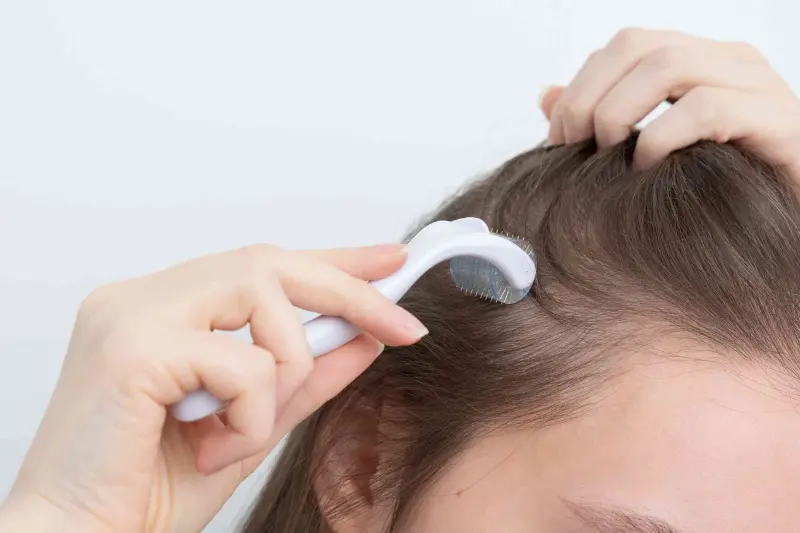
When it comes to improving hair growth and thickness, many people ask, which treatment is best for hair. The answer depends on the cause of hair loss, your hair type, and whether you prefer natural remedies or medical treatments. For mild hair thinning, home-based approaches such as regular scalp massages with oils, nutrient-rich diets, and gentle hair care routines can be very effective. Oils like castor, coconut, and rosemary help stimulate follicles, while a balanced diet supports strong and healthy strands. For more significant hair loss, professional treatments can deliver faster and more visible results. Popular options include Minoxidil, which promotes regrowth in both men and women, and Platelet-Rich Plasma (PRP) therapy, which revitalizes hair follicles. Low-level laser therapy and specialized growth serums are also effective for encouraging thicker, fuller hair. For women experiencing hair thinning, consulting a dermatologist can help determine the best hair loss treatment for female, ensuring personalized care. Often, a combination of natural remedies, healthy habits, and clinically proven treatments provides the most consistent results. By understanding your hair’s needs and choosing the right approach, you can restore volume, strengthen strands, and maintain long-term hair health.
Alopecia Treatment at Home
If you are looking for ways to manage hair loss without visiting a clinic, alopecia treatment at home can be effective, especially for mild to moderate cases. Alopecia, which causes patchy or overall hair thinning, often results from stress, hormonal imbalances, or nutritional deficiencies. At-home care focuses on strengthening hair follicles, improving scalp health, and reducing further shedding. One of the most effective methods is scalp massage with essential oils like rosemary, peppermint, or castor oil, which stimulate blood flow and encourage hair regrowth. Maintaining a nutrient-rich diet with plenty of protein, vitamins such as biotin and vitamin E, and minerals like zinc and iron supports strong hair from the roots. Gentle hair care routines, including avoiding harsh chemicals, limiting heat styling, and using mild shampoos, can prevent additional damage. Stress management through meditation, yoga, or adequate sleep also plays a key role in controlling alopecia. For consistent results, combining these natural remedies with regular scalp care and patience is essential. While home treatments can help manage alopecia, consulting a dermatologist is recommended if hair loss persists, as some cases may require professional hair regrowth treatments or medications for more effective results.
Best Hair Loss Treatment for Female
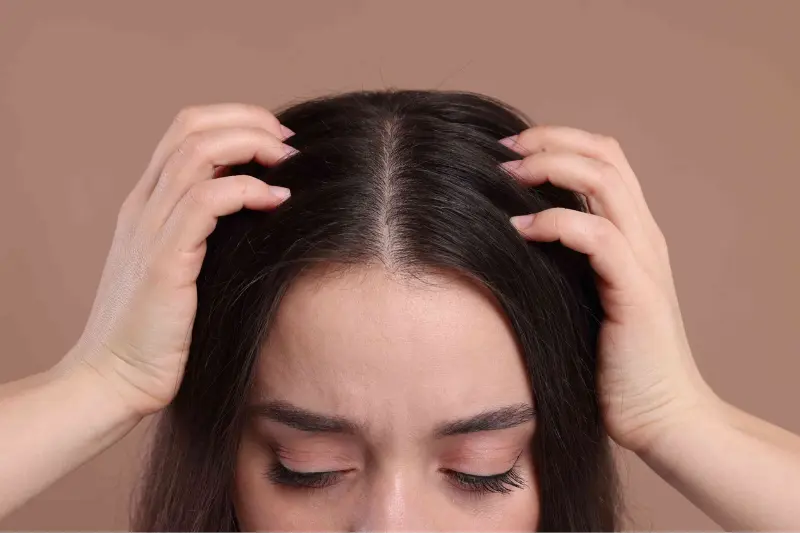
For women experiencing thinning hair or excessive hair fall, finding the best hair loss treatment for female is essential to restore confidence and improve hair health. Female hair loss can be caused by hormonal changes, stress, nutritional deficiencies, or genetic factors, and the treatment approach depends on the underlying cause. For mild cases, home remedies like scalp massages with essential oils, a balanced diet rich in protein, vitamins, and minerals, and gentle hair care routines can strengthen follicles and promote regrowth. However, for more persistent hair loss, clinically proven treatments are often the most effective. Minoxidil is widely recommended for women and helps stimulate new hair growth, while Platelet-Rich Plasma (PRP) therapy nourishes and revitalizes dormant follicles. Low-level laser therapy and specialized growth serums can also provide significant improvement in hair thickness. In addition to these treatments, addressing lifestyle factors such as stress reduction, adequate sleep, and avoiding excessive heat or chemical damage can enhance results. By combining professional interventions with natural care, women can achieve stronger, fuller, and healthier hair. Consulting a dermatologist or hair specialist ensures that you choose the most suitable solution for your specific hair loss type.
Best Hair Regrowth Treatment
Finding the best hair regrowth treatment can make a significant difference for anyone struggling with thinning hair or hair loss. Hair regrowth depends on stimulating dormant follicles, improving scalp health, and providing essential nutrients to support strong strands. Clinically proven treatments like Minoxidil are widely recognized for promoting new hair growth in both men and women. Platelet-Rich Plasma (PRP) therapy is another effective option, using the body’s own platelets to rejuvenate hair follicles and encourage thicker hair. Low-level laser therapy and specialized hair growth serums are also popular for improving hair density and overall scalp condition. Alongside these professional treatments, natural approaches play a supportive role. Scalp massages with oils such as castor, coconut, or rosemary, combined with a diet rich in protein, vitamins, and minerals, can strengthen follicles and prevent further hair loss. For women, combining these methods with solutions specifically designed for female hair thinning ensures the best results. Consistency and patience are key, as hair regrowth takes time. By choosing the right combination of professional treatments and home care, you can achieve healthier, fuller, and thicker hair, making it easier to maintain long-term hair health and confidence.
Conclusion
Achieving thicker, healthier, and fuller hair is possible with the right combination of care, treatments, and lifestyle habits. By following these proven hair growth tips, including maintaining a nutrient-rich diet, practicing regular scalp care, avoiding heat and chemical damage, and managing stress, you can naturally encourage hair growth and strengthen your strands. For more stubborn hair loss or thinning, professional solutions such as Minoxidil, PRP therapy, low-level laser treatments, and specialized serums provide effective results. Women experiencing hair thinning can benefit greatly from treatments designed specifically for female hair loss. Whether you choose natural remedies, medical treatments, or a combination of both, consistency and patience are key to achieving noticeable improvement. With these strategies, you can regain confidence in your hair, enjoy increased volume and thickness, and maintain long-term hair health.
FAQs About Hair Growth
How long does it take to see results from hair growth tips?
Results vary, but most people notice improvement in 2–4 months with consistent care and treatments.
Can women reverse hair thinning naturally?
Yes, mild thinning can improve with proper nutrition, scalp care, and natural remedies, though persistent cases may need medical intervention.
Which oils are best for hair regrowth?
Coconut, castor, rosemary, and peppermint oils are highly effective for stimulating follicles and reducing hair fall.
Are home remedies effective for alopecia?
Home remedies can help manage alopecia, but severe cases may require professional treatments for the best results.
What is the best hair loss treatment for females?
How long does it take to see results from hair growth tips?
Results vary, but most people notice improvement in 2–4 months with consistent care and treatments.