Introduction

Thick, healthy, and shiny hair is something every woman desires, but hair fall and slow growth have become very common issues today. Stress, poor diet, hormonal changes, pollution, and excessive use of heat styling tools can all damage the scalp and weaken hair roots. That is why more and more people are searching for effective and natural hair growth tips that actually work.
Hair growth depends on several factors, including nutrition, scalp health, and daily care habits. If your body is lacking essential vitamins and minerals, your hair may become thin, weak, and prone to breakage. Including the right foods that increase hair growth, such as protein-rich meals, iron, and biotin sources, can help strengthen hair from within. At the same time, following a proper hair care routine for women can protect hair from damage and improve overall texture.
Many women also prefer trying hair fall control at home remedies before seeking professional treatment. Natural solutions like oil massage, aloe vera, and onion juice can support scalp health when used consistently. However, if hair loss becomes severe or continues for a long time, consulting a qualified hair fall doctor may be necessary to identify the root cause.
Why Hair Growth Slows Down
Before following any hair growth tips, it is important to understand why hair growth slows down in the first place. Hair grows in a natural cycle that includes growth (anagen), resting (telogen), and shedding (catagen) phases. When this cycle gets disturbed due to internal or external factors, hair fall increases and new growth becomes weaker.
One of the most common causes of slow hair growth is poor nutrition. If your body does not get enough protein, iron, zinc, or essential vitamins, your hair follicles cannot function properly. This is why consuming foods that increase hair growth plays such a vital role in maintaining thick and healthy hair.
Hormonal imbalance is another major factor, especially in women. Conditions like thyroid disorders, PCOS, or postpartum changes can trigger excessive shedding. In such cases, following a basic hair care routine for women may not be enough, and medical guidance might be required.
Stress is also a hidden enemy of hair health. High stress levels can push hair follicles into the shedding phase prematurely, leading to noticeable thinning. Additionally, harsh chemical treatments, tight hairstyles, frequent coloring, and excessive heat styling can damage the scalp and weaken roots over time.
Best Hair Growth Tips That Actually Work

If you truly want visible results, you need to follow consistent and practical hair growth tips that focus on both internal nutrition and external care. First, your diet plays a major role in strengthening hair roots. Adding protein-rich meals like eggs, lentils, fish, and nuts to your daily routine provides essential building blocks for hair.
Including foods that increase hair growth such as spinach, seeds, berries, and omega-3 rich foods helps nourish the scalp and improve thickness. These foods that promote hair growth supply iron, zinc, biotin, and vitamins that support faster and healthier regrowth.
Second, maintaining a proper hair care routine for women is equally important. Regular oil massage improves blood circulation in the scalp, while using a mild shampoo prevents dryness and breakage. Avoid overwashing your hair, reduce heat styling, and choose chemical-free products whenever possible. Deep conditioning once a week can restore moisture and strengthen strands.
For those looking for natural solutions, hair fall control at home remedies can also be helpful. Applying onion juice, aloe vera gel, or warm coconut oil to the scalp may reduce breakage and improve overall hair texture when used consistently. However, if hair thinning continues despite following these steps, seeking advice from a professional hair fall doctor can help diagnose underlying medical issues and provide targeted treatment.
Medical Treatments for Hair Growth
While natural remedies and proper care work well for many people, sometimes hair fall requires medical attention. If you notice continuous shedding, thinning at the crown, or bald patches, it may be time to consult a qualified hair fall doctor. A professional can examine your scalp, review your medical history, and recommend the most suitable treatment based on the root cause.
One of the most commonly recommended treatments is Minoxidil, a topical solution that helps stimulate hair follicles and extend the growth phase of hair. It is widely used for both men and women and can show visible improvement when used consistently for several months. Another advanced option is PRP (Platelet-Rich Plasma) therapy, where a small amount of your own blood is processed and injected into the scalp to promote natural hair regrowth.
In some cases, doctors may suggest nutritional supplements if hair loss is linked to vitamin deficiencies. Iron, biotin, vitamin D, and zinc supplements can support overall scalp health when prescribed properly. Hormonal treatments may also be recommended if hair fall is caused by thyroid imbalance or PCOS.
Medical treatments work best when combined with healthy lifestyle habits, including consuming foods that increase hair growth and following a proper hair care routine. Early diagnosis and the right treatment plan can significantly improve hair density and prevent further loss.
Daily & Weekly Hair Care Routine for Stronger Growth
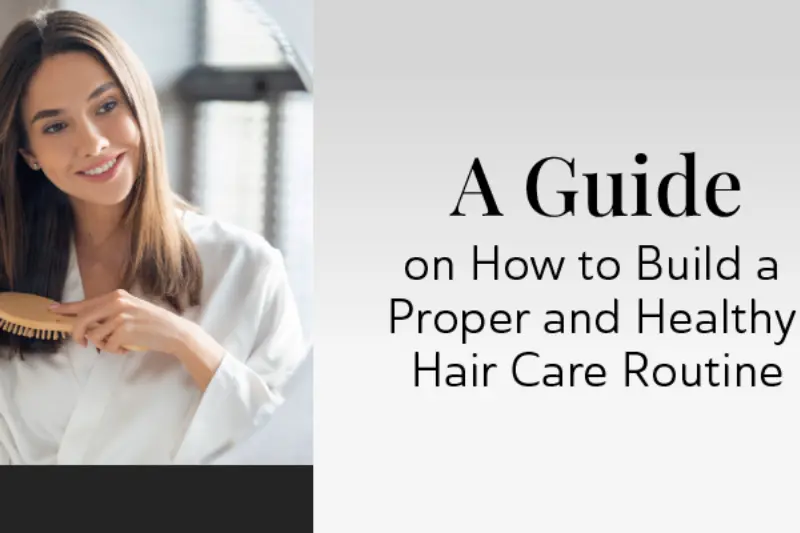
Following the right routine is one of the most practical and effective hair growth tips you can implement immediately. Consistency matters more than expensive products. A simple, balanced routine can improve scalp health, reduce breakage, and support faster regrowth.
On a daily basis, focus on gentle care. Avoid tight hairstyles that pull on the roots, and limit the use of heat styling tools. If you use serum or oil, apply it lightly to prevent product buildup. Eating balanced meals that include foods that increase hair growth such as eggs, nuts, green leafy vegetables, and seeds will strengthen your hair internally. Staying hydrated also plays an important role in maintaining scalp moisture.
On a weekly basis, oil your hair 1–2 times to improve blood circulation. Coconut oil, castor oil, or almond oil can nourish the roots when massaged properly. Wash your hair with a mild, sulfate-free shampoo to maintain natural oils. Deep conditioning once a week is especially important in a proper hair care routine for women, as it prevents dryness and split ends.
You can also try simple methods for hair fall control at home, such as applying aloe vera gel or onion juice once a week. However, if you notice excessive shedding even after following a structured routine, consulting a professional hair fall doctor can help identify any underlying medical issues.
Mistakes That Stop Hair Growth

Even when you follow hair growth tips diligently, certain habits can prevent your hair from reaching its full potential. Being aware of these mistakes can save you months of frustration and help maintain stronger, healthier hair.
Overwashing Hair
Washing hair too frequently strips natural oils, leaving hair dry, brittle, and prone to breakage. It’s best to wash 2–3 times per week with a mild shampoo.
Excessive Heat Styling
Regular use of straighteners, curling irons, or blow dryers can weaken hair shafts and slow growth. Try to limit heat styling and always use heat protectants.
Tight Hairstyles
Constantly wearing ponytails, buns, or braids that pull on hair roots can cause traction alopecia, leading to thinning and hair fall over time.
Crash Diets or Poor Nutrition
Skipping essential nutrients affects hair growth. Without proper intake of protein, iron, biotin, and vitamins from foods that promote hair growth, your hair becomes weak and slow-growing.
Ignoring Scalp Health
A clogged or unhealthy scalp affects follicle function. Not cleaning the scalp properly, using harsh chemicals, or skipping massages can prevent nutrients from reaching hair roots.
Conclusion
Healthy, strong, and beautiful hair does not happen overnight—it requires consistent care, proper nutrition, and a thoughtful routine. By understanding the root causes of hair fall and slow growth, you can take the right steps to improve the health of your hair naturally. Following reliable hair growth tips not only strengthens your hair from the roots but also prevents breakage, thinning, and premature shedding.
One of the most effective ways to support hair growth is through nutrition. Consuming foods that increase hair growth and foods that promote hair growth, such as eggs, nuts, seeds, green leafy vegetables, and protein-rich meals, provides essential vitamins and minerals that your hair needs to thrive. A balanced diet ensures that hair follicles receive the nourishment required for stronger, thicker strands, and it also helps maintain overall scalp health.
Equally important is following a proper hair care routine for women. Gentle handling of hair, avoiding excessive heat styling, and using mild shampoos and conditioners can prevent damage and support natural regrowth. Weekly treatments, such as deep conditioning and scalp massages with natural oils like coconut or almond oil, improve blood circulation, strengthen hair roots, and promote healthier growth over time.
For those looking for additional support, natural home remedies for hair fall control at home can also be very effective. Ingredients like aloe vera, onion juice, and fenugreek seeds help reduce breakage, nourish the scalp, and provide essential nutrients directly to the hair follicles. However, it’s important to remember that these remedies work best when combined with a consistent routine and a nutrient-rich diet.
In cases of excessive or persistent hair loss, consulting a qualified hair fall doctor is recommended. Medical evaluation can identify underlying conditions such as hormonal imbalances, thyroid issues, or nutritional deficiencies, and suggest targeted treatments like Minoxidil, PRP therapy, or supplements. Early intervention can prevent long-term damage and give your hair the best chance to recover.
Ultimately, achieving healthy hair is a combination of the right habits, proper nutrition, and consistent care. Avoiding common mistakes like overwashing, tight hairstyles, and harsh chemical treatments, along with following a structured hair care routine and incorporating natural remedies, can significantly improve hair health.
By taking these steps, you not only encourage faster and stronger hair growth but also maintain the shine, volume, and vitality that every woman desires. Remember, patience and consistency are key—healthy hair growth is a journey, and with the right approach, you can achieve the beautiful, thick hair you’ve always wanted.
FAQs About Hair Growth
What are the best hair growth tips for women?
The best hair growth tips include maintaining a nutrient-rich diet, following a proper hair care routine for women, avoiding excessive heat styling, massaging the scalp regularly, and using natural remedies like coconut oil or aloe vera. Consistency is key for healthy, stronger hair.
Which foods promote hair growth naturally?
Foods that promote hair growth include eggs, nuts, spinach, berries, seeds, and fatty fish rich in omega-3. These provide essential vitamins, proteins, and minerals that nourish hair follicles and reduce breakage.
How can I control hair fall at home?
You can practice hair fall control at home by applying natural oils, using onion juice or aloe vera on the scalp, avoiding harsh chemical products, maintaining a balanced diet, and following a gentle hair care routine.
When should I consult a hair fall doctor?
Consult a hair fall doctor if you notice sudden hair loss, bald patches, excessive shedding, or if home remedies and natural care are not improving your hair growth. Early diagnosis helps in treating underlying causes like hormonal imbalance or nutritional deficiencies.
How long does it take to see hair growth results?
Visible hair growth can take 2–6 months depending on your hair type, genetics, diet, and care routine. Following a combination of hair growth tips, proper nutrition, and scalp care can speed up results.
Can diet really affect hair growth?
Yes! A proper diet with foods that increase hair growth such as eggs, nuts, leafy greens, and seeds supplies essential nutrients like biotin, iron, and vitamins that strengthen hair follicles and promote faster growth.
Is it necessary to use oils for hair growth?
Oiling the scalp improves blood circulation, strengthens roots, and prevents dryness. Using natural oils like coconut, almond, or castor oil is part of an effective hair care routine for women and supports healthy hair growth.
Are home remedies effective for hair fall control?
Yes, natural remedies like aloe vera, onion juice, and fenugreek seeds can help reduce hair fall and nourish the scalp. However, they work best when combined with a healthy diet and consistent care routine.
Can stress affect hair growth?
High stress levels can push hair follicles into the shedding phase, causing thinning. Managing stress through meditation, proper sleep, and regular exercise is an essential part of hair growth tips.
What are common mistakes that stop hair growth?
Overwashing, excessive heat styling, tight hairstyles, crash diets, and ignoring scalp health are common mistakes. Avoiding these and following proper care, nutrition, and home remedies ensures optimal hair growth.