
Introduction
Healthy, luscious hair is more than just a beauty statement—it’s a reflection of overall wellness. Unfortunately, millions of people face challenges like hair loss, hair fall, and thinning hair due to various factors such as stress, hormonal changes, genetics, and improper hair care. The good news is that with the right approach, hair problems can be managed effectively, and hair growth can be significantly improved. This article will guide you through proven hair growth tips, practical solutions, and effective hair fall treatment strategies to help you achieve stronger, thicker hair.
Understanding the root causes of hair loss is the first step toward combating it. While some hair loss is natural, excessive shedding or bald patches may require attention. Factors like poor diet, lack of essential vitamins, harsh chemical treatments, and even certain medical conditions can contribute to weakened hair follicles and slower growth. By incorporating simple lifestyle changes, proper nutrition, and consistent hair care routines, you can stimulate hair growth and prevent further damage.
In addition to lifestyle adjustments, modern hair growth tablets and hair treatments offer effective support for those struggling with persistent hair loss. From topical solutions to professional therapies, there are numerous options available to suit different hair types and needs. Alongside these treatments, adopting daily habits such as gentle scalp massages, using nourishing oils, and protecting hair from heat and environmental damage can make a remarkable difference in overall hair health.
Whether you are dealing with early signs of hair thinning or looking to enhance your natural hair growth, this guide provides practical, actionable advice. By following these hair growth tips and exploring suitable hair loss treatments, you can take proactive steps toward revitalizing your hair, boosting confidence, and maintaining long-term hair health.
Common Causes of Hair Loss
Hair loss is a widespread concern that affects people of all ages, and understanding its underlying causes is essential for effective treatment. While some hair shedding is natural, excessive hair fall can be alarming and may indicate underlying issues that need attention. Identifying the root causes allows you to take the right steps with hair growth tips and targeted hair fall treatment.
One of the most common causes of hair loss is genetics. Androgenetic alopecia, or pattern baldness, affects both men and women and is influenced by hereditary factors. People with a family history of hair loss are more likely to experience thinning hair or receding hairlines over time.
Hormonal changes also play a significant role in hair loss. Conditions such as pregnancy, menopause, thyroid disorders, and hormonal imbalances can disrupt the hair growth cycle, causing increased shedding. In these cases, combining medical treatment with natural hair growth tips can help restore healthier hair.
Stress and lifestyle factors are another major contributor. High stress levels, lack of sleep, and poor dietary habits can weaken hair follicles, slowing growth and leading to breakage. Nutritional deficiencies, particularly in vitamins like biotin, vitamin D, and iron, can directly impact hair health. Incorporating a balanced diet rich in proteins, vitamins, and minerals is a simple yet effective hair fall treatment at home.
Finally, improper hair care practices can damage hair over time. Excessive heat styling, harsh chemical treatments, tight hairstyles, and infrequent washing can lead to breakage and hair loss. Adopting gentle hair care routines and using nourishing hair treatments can prevent further damage and promote growth.
By recognizing these common causes of hair loss, you can take informed steps to address the problem. Combining lifestyle changes, proper nutrition, and targeted hair loss treatments ensures a comprehensive approach to achieving healthier, stronger hair.
Top Hair Growth Tips
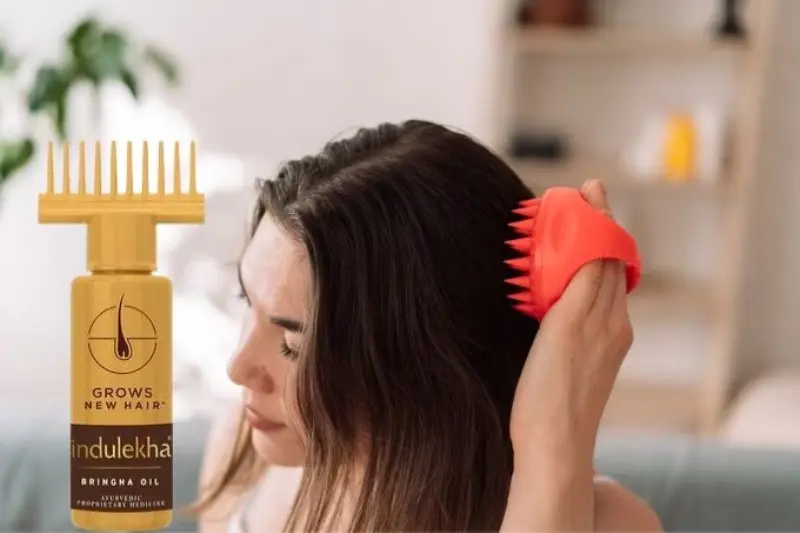
Achieving healthy, thick hair requires a combination of consistent care, good habits, and sometimes professional support. Below are some of the most effective hair growth tips to help you reduce hair fall and promote natural growth.
Maintain a Healthy Diet
Nutrition plays a vital role in hair health. Proteins, vitamins, and minerals strengthen hair follicles and stimulate growth. Include foods rich in biotin, vitamin E, iron, and omega-3 fatty acids in your diet, such as eggs, nuts, fish, and leafy vegetables. A well-balanced diet acts as a natural hair fall treatment, ensuring your hair gets the nutrients it needs to grow strong and resilient.
Regular Scalp Care
Healthy hair starts with a healthy scalp. Gentle scalp massages improve blood circulation and stimulate hair follicles, encouraging growth. Avoid harsh shampoos and chemicals that can damage hair. Instead, use nourishing hair treatments like natural oils (coconut, argan, or castor oil) and mild shampoos to maintain scalp health. Regular cleansing and conditioning prevent buildup and strengthen the hair shaft.
Use Hair Growth Tablets and Supplements
Sometimes, diet alone may not provide all the nutrients needed for optimal hair growth. Hair growth tablets and supplements can support overall hair health by supplying essential vitamins and minerals. Products containing biotin, zinc, and amino acids are particularly effective. Always consult a healthcare professional before starting supplements to ensure safety and maximum benefits.
Avoid Stress and Promote a Healthy Lifestyle
Stress can significantly contribute to hair thinning and loss. Incorporating stress-reducing activities like yoga, meditation, and regular exercise improves overall health and reduces hair fall. Adequate sleep is also crucial for maintaining the hair growth cycle. Pairing lifestyle changes with targeted hair loss treatment can lead to noticeable improvements over time.
Protect Hair from Damage
Minimizing heat styling, chemical treatments, and tight hairstyles helps prevent breakage and hair fall. Use protective products when styling and avoid over-washing, which can strip natural oils. Maintaining proper hair care routines ensures that your hair stays strong and healthy, complementing other hair growth tips.
By consistently following these strategies, you can enhance hair strength, reduce hair loss, and encourage faster, healthier growth naturally.
Effective Hair Fall Treatments
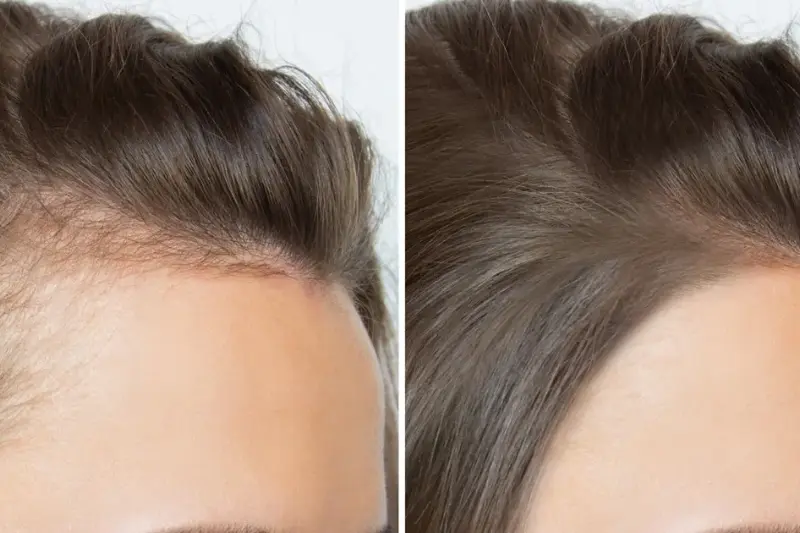
Hair fall can be distressing, but with the right approach, it can be managed effectively. Understanding the various hair fall treatment options allows you to choose solutions that suit your hair type and level of hair loss.
Topical Treatments
Topical solutions like minoxidil are widely used to stimulate hair growth. They work by improving blood flow to hair follicles, which encourages stronger and thicker hair. These products are particularly useful for those experiencing hair loss due to genetics or hormonal changes. Pairing topical treatments with proper hair care routines enhances their effectiveness.
Natural Remedies and Oils
Home remedies can complement medical treatments and act as gentle hair treatments. Massaging the scalp with oils such as coconut, argan, or castor oil strengthens follicles, improves scalp health, and reduces hair breakage. Aloe vera and onion juice are also popular natural options known to nourish the scalp and support hair growth.
Hair Growth Tablets and Supplements
In addition to topical treatments, hair growth tablets provide essential vitamins and minerals that may be lacking in your diet. Supplements containing biotin, zinc, and amino acids help fortify hair strands and prevent further hair loss. Consistency is key, and results often appear over a few months of regular use.
Professional Treatments
For severe hair loss, clinical options such as platelet-rich plasma (PRP) therapy, laser treatments, and prescription medications can be highly effective. Consulting a dermatologist or trichologist ensures that you receive the most suitable hair loss treatment based on your individual needs.
Lifestyle Adjustments
A holistic approach to managing hair fall includes stress reduction, proper nutrition, and avoiding damaging hair practices. Following daily hair growth tips along with targeted hair fall treatment provides a comprehensive strategy to restore hair health and prevent further loss.
By combining these treatments with regular care and patience, you can effectively combat hair fall, stimulate growth, and maintain strong, healthy hair for the long term.
How to Choose the Right Hair Treatment
Selecting the right hair treatment is crucial for achieving the best results, especially when dealing with hair fall or hair loss. With so many options available—from home remedies to medical therapies—it’s important to consider your hair type, the cause of hair loss, and the severity of the problem.
Understand Your Hair Type and Needs
Different hair types require different care. Fine or thin hair may benefit from lightweight oils and gentle hair growth tips, while coarse or curly hair may need richer treatments and intensive conditioning. Identifying your hair type ensures that the products and treatments you choose work effectively without causing further damage.
Evaluate Treatment Options
Hair fall treatment can range from natural remedies and topical solutions to hair growth tablets and professional therapies. Topical treatments like minoxidil are suitable for genetic or hormone-related hair loss, while oils and natural remedies support overall hair health. Supplements can provide missing nutrients, but should be combined with other hair growth tips for maximum effectiveness.
Consult Professionals When Needed
If hair loss is severe or persistent, consulting a dermatologist or trichologist is essential. They can recommend personalized hair loss treatments, such as PRP therapy, laser treatments, or prescription medications. Professional guidance ensures that you’re using safe and effective solutions tailored to your condition.
Check Product Ingredients and Safety
Always review the ingredients of shampoos, conditioners, and hair treatments. Avoid harsh chemicals like sulfates and parabens, which can further weaken hair. Opt for products with nourishing elements like biotin, keratin, or natural oils to promote stronger growth.
Consistency is Key
No matter which hair fall treatment or routine you choose, consistency is critical. Daily care, proper nutrition, and ongoing use of recommended treatments ensure the best results over time. Pairing professional treatments with natural hair growth tips creates a holistic approach to healthier, fuller hair.
By carefully choosing the right treatment, combining it with lifestyle adjustments, and following proven hair growth tips, you can address hair loss effectively and maintain long-term hair health.
Preventing Future Hair Loss
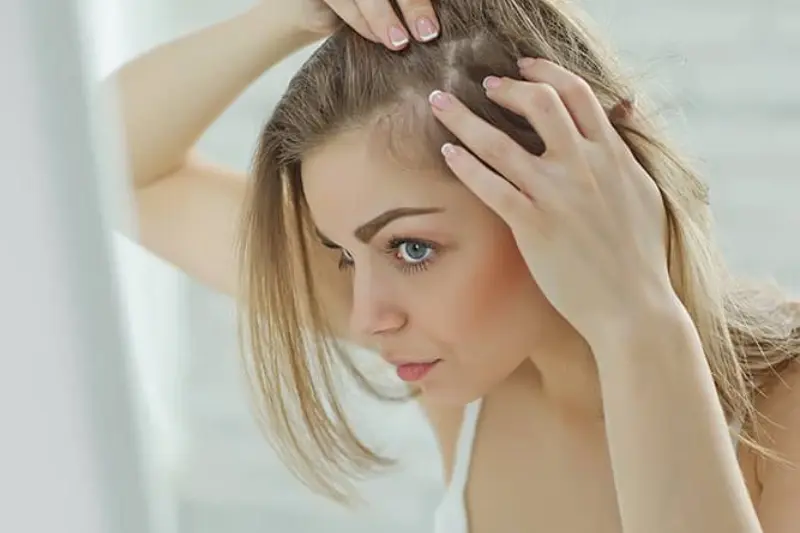
Preventing hair loss is just as important as treating it. By adopting consistent care routines and healthy lifestyle habits, you can protect your hair from damage and maintain long-term growth. Here are the most effective strategies to prevent future hair loss while following your hair growth tips.
Follow a Balanced Diet
A diet rich in protein, vitamins, and minerals strengthens hair follicles and reduces breakage. Foods containing biotin, vitamin E, iron, and omega-3 fatty acids are particularly beneficial. Proper nutrition acts as a natural hair fall treatment and supports overall scalp health.
Adopt Gentle Hair Care Practices
Avoid harsh shampoos, excessive heat styling, and chemical treatments that can weaken hair. Use mild shampoos, conditioner, and natural oils as part of your daily hair treatment routine. Gentle handling, like avoiding tight hairstyles, also reduces unnecessary stress on the hair shaft.
Manage Stress Effectively
Stress is a major contributor to hair loss. Incorporate relaxation techniques such as yoga, meditation, or regular exercise into your routine. Managing stress not only improves overall health but also reduces hair shedding, complementing your other hair growth tips.
Regular Scalp Maintenance
Keeping the scalp clean and nourished promotes healthy hair growth. Regular scalp massages improve blood circulation, stimulating follicles for stronger hair. Using natural oils or topical solutions recommended in hair loss treatment plans enhances these benefits.
Stay Consistent with Treatments
Whether you’re using hair growth tablets, oils, or professional therapies, consistency is key. Following a routine and combining multiple hair fall treatments ensures maximum effectiveness and long-lasting results.
By integrating these preventive measures into your daily routine, you can significantly reduce hair fall, protect your hair from damage, and support continuous growth. Consistent care combined with proper hair treatment and nutrition creates the foundation for healthy, thick, and vibrant hair.
Conclusion
Healthy, strong hair doesn’t happen overnight, but with the right approach, it is entirely achievable. By following these proven hair growth tips and incorporating effective hair fall treatment strategies, you can address hair loss, strengthen your follicles, and promote natural growth. Consistent care, a balanced diet, stress management, and proper hair treatments all play a vital role in maintaining hair health.
Whether you choose natural remedies, hair growth tablets, topical solutions, or professional therapies, the key is to stay patient and consistent. Combining lifestyle adjustments with targeted treatments ensures the best results while preventing future hair loss. Remember, each individual’s hair is unique, so tailoring your routine to your hair type and needs is essential.
Taking proactive steps now can help you enjoy thicker, healthier hair in the long run. By implementing these hair growth tips, utilizing appropriate hair loss treatments, and following a holistic approach, you can not only restore your hair but also boost your confidence and overall well-being.
FAQs About Hair Growth and Hair Loss
What are the best hair growth tips for thinning hair?
Focus on a balanced diet, gentle scalp care, proper hair treatments, and stress management for healthy growth.
Do hair growth tablets really work?
Yes, when combined with a nutritious diet and hair fall treatments, they can help strengthen hair and support growth.
How can I stop hair fall naturally?
Regular scalp massages, nourishing oils, proper diet, and avoiding heat or chemical damage act as effective hair fall treatments at home.
Which hair loss treatment is most effective?
Options like minoxidil, PRP therapy, laser treatments, and targeted hair treatments work well depending on the cause of hair loss.
How long does it take to see results from hair growth tips?
Visible improvements usually appear within 2–3 months of consistent care and following hair growth tips.
Can diet affect hair loss?
Absolutely. Nutritional deficiencies in protein, vitamins, or minerals can worsen hair fall, while a balanced diet supports strong hair.
Are home remedies effective for hair growth?
Remedies like coconut oil, aloe vera, and onion juice help improve scalp health but may not completely stop severe hair loss.
Should I consult a doctor for hair loss?
Yes, particularly if hair loss is sudden, severe, or persistent. Professionals can recommend the most suitable hair loss treatments.
Can stress cause hair fall?
Yes, chronic stress disrupts the hair growth cycle, making stress management an essential part of hair growth tips.
Is it safe to combine hair growth tablets with topical treatments?
Generally, yes. Using supplements along with hair fall treatments